Who are We

Working with children, women, migrant workers, and marginalized communities for dignity, rights, and sustainable livelihoods.

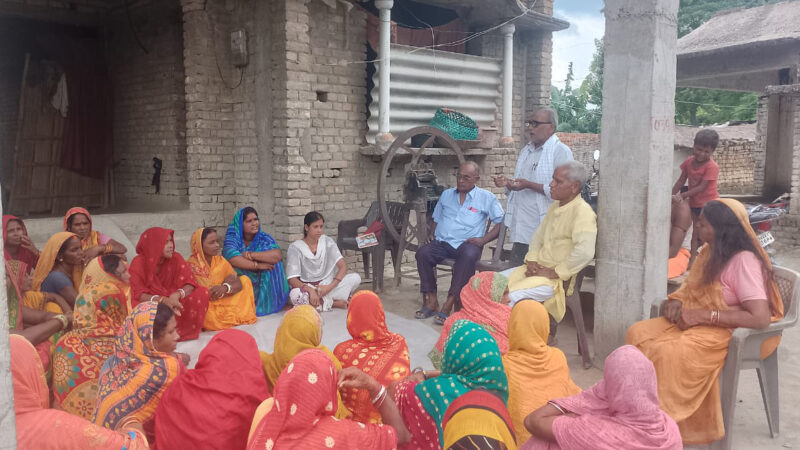
In the rural communities of Bihar, opportunity is often shaped by poverty, migration, social exclusion and unequal access to education and livelihoods. We work alongside children, women, workers and families to strengthen their rights, expand opportunities and enable communities to build safer, more dignified and hopeful futures.
 

Our Key Areas of Work

Children & Education

Supporting children to remain in school, access learning opportunities, and overcome barriers created by poverty, migration, and social exclusion.

Child Protection

Working with communities to prevent child labour, child trafficking, child marriage, and other forms of exploitation.

Migrant Workers & Safe Migration

Helping workers understand their rights, access social protection, address wage and compensation disputes, and migrate more safely.

Women & Youth Empowerment

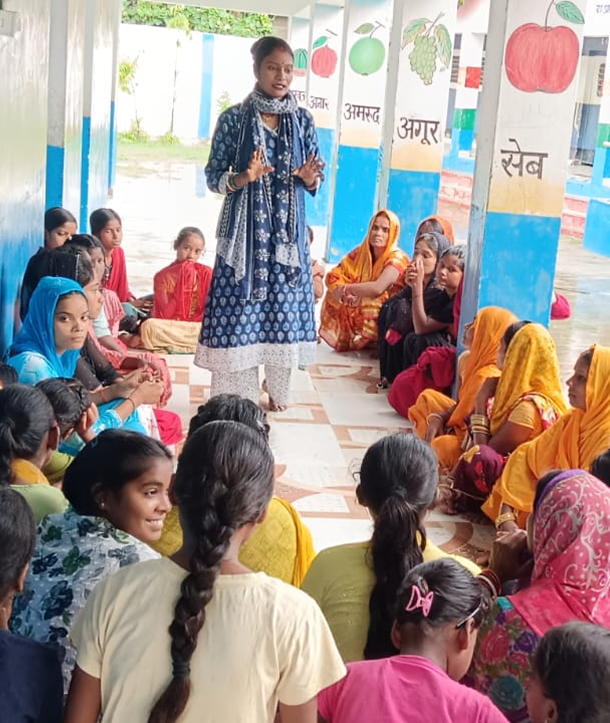
Supporting women, adolescents, and young people to strengthen their knowledge, confidence, skills, and participation in community life.

Livelihoods & Local Enterprise

Promoting livelihood opportunities, agriculture, skills, local products, and stronger connections with government schemes and markets.

Safe & Responsible MSMEs

Collaborating with small businesses to improve workplace safety, worker well-being, environmentally friendly practices, energy efficiency, and access to government support.

Rooted in Communities

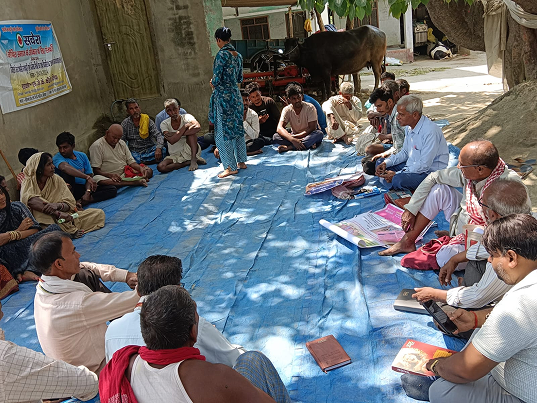
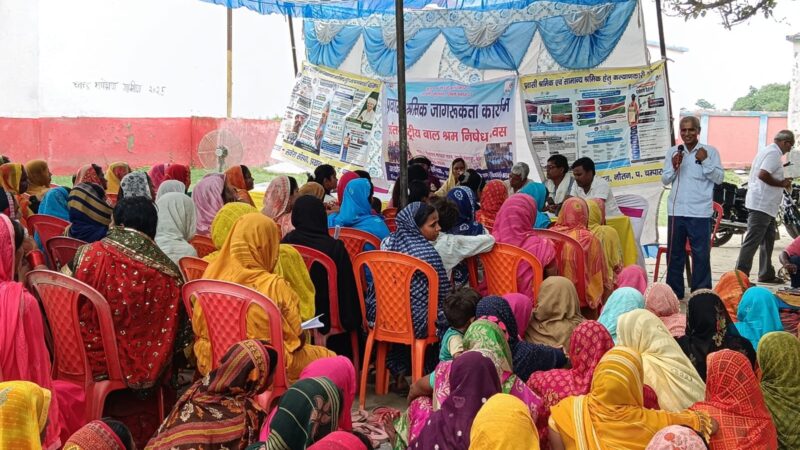
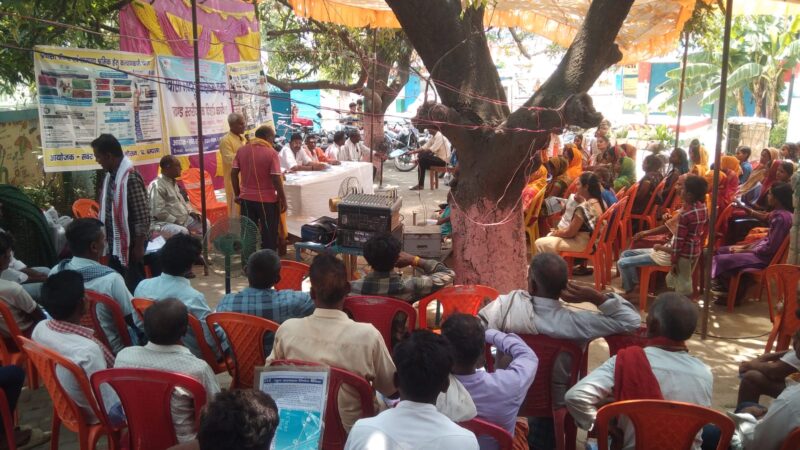
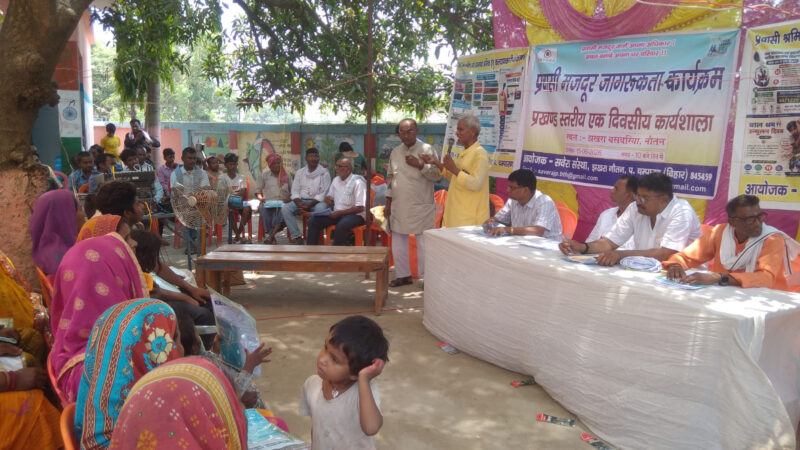
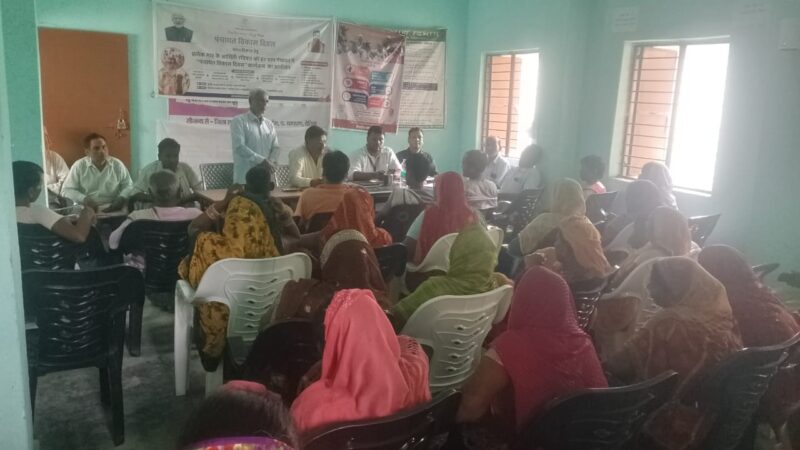
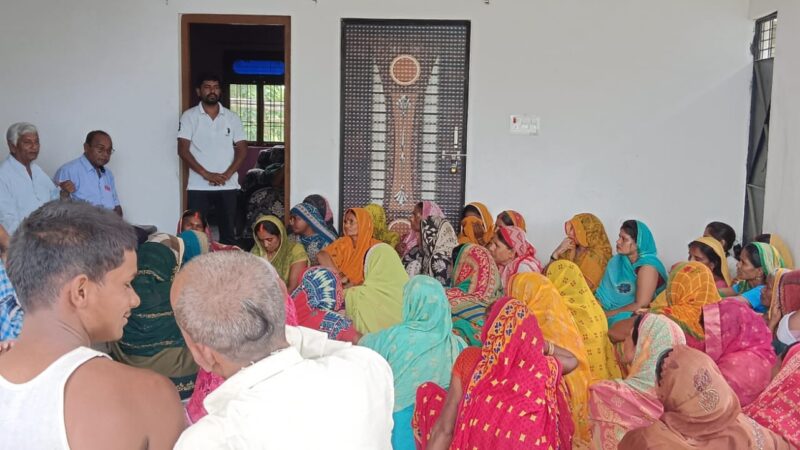
SAVERA collaborates with Gram Panchayats, schools, Anganwadi Centres, community leaders, government departments, workers, families, and local institutions. We believe sustainable change occurs when communities understand their rights, participate in decisions, and take collective action.

Change at the Community Level

Our interventions combine awareness with practical support. Under our migrant workers programme, for example, SAVERA identified migrant workers, developed peer educators, facilitated e-Shram registration, supported wage-related cases, and collaborated with schools to encourage irregular children to return to regular attendance. By May 2024, 131 e-Shram cards had been facilitated, and 35 of 48 identified irregular children had resumed regular school attendance.

Together, we can build communities where rights are respected, opportunities are accessible, and no one is left behind.